
What Is a Brownout? Causes, Effects, and Why Generator Sets Matter
Power interruptions don’t always come as full blackouts. Sometimes, electricity doesn’t completely disappear — it weakens. That situation is called a brownout, and it can damage equipment, disrupt operations, and cost businesses serious money.
Let’s break it down.
What Is a Brownout?
A brownout happens when the voltage in an electrical system drops below normal levels but power does not fully shut off.
Instead of lights going out, you might notice them dim. Motors run slower. Machines overheat. Electronics behave unpredictably. The term “brownout” comes from the way incandescent lights glow brownish or dim during low voltage.
In simple terms:
A blackout = no power.
A brownout = weak power.
Both create problems — but brownouts often cause more hidden damage because equipment keeps running under stress.
How a Brownout Works
Power grids operate at specific voltage levels (for example, 220–240V in many countries). During a brownout:
-
The utility still supplies electricity
-
But the voltage drops below safe operating range
-
Electrical devices draw more current to compensate
-
Heat builds up inside motors and electronics
That extra heat shortens equipment life and increases the risk of failure.
Why Do Brownouts Happen?
Utilities don’t plan most brownouts. Grid stress usually triggers them. Here are the most common causes:
1. High Power Demand
When too many people use electricity at the same time, the grid struggles to keep voltage stable.
Examples:
-
Heat waves → everyone runs air conditioning
-
Industrial zones operating at full capacity
-
Holiday seasons with heavy residential use
Demand rises faster than supply, so voltage dips.
2. Insufficient Power Supply
Power plants sometimes cannot produce enough electricity due to:
-
Generator failures
-
Fuel supply problems
-
Maintenance shutdowns
-
Aging infrastructure
When supply falls short, utilities reduce voltage instead of cutting power entirely.
3. Weak or Overloaded Transmission Lines
Electricity travels long distances through transmission and distribution lines. If those lines:
-
Overload
-
Overheat
-
Suffer damage
-
Lack upgrades
Voltage drops before power reaches customers.
4. Grid Equipment Issues
Transformers, substations, and distribution systems regulate voltage. When these systems malfunction or age:
-
Voltage regulation becomes unstable
-
Fluctuations and brownouts increase
5. Weather and Environmental Stress
Storms, extreme heat, and natural disasters strain infrastructure. Even if lines stay up, utilities may reduce voltage to prevent total collapse of the system.
What Are the Effects of a Brownout?
Brownouts look harmless — but they quietly damage equipment.
⚠️ For Homes:
-
Lights flicker or dim
-
Refrigerators and air conditioners overheat
-
Electronics suffer long-term damage
⚠️ For Businesses and Industries:
-
Motors overheat and fail
-
Production lines slow down
-
Sensitive electronics malfunction
-
IT systems crash or corrupt data
-
Downtime increases operating costs
Low voltage forces machines to work harder than they should. That stress shortens lifespan and increases maintenance expenses.
Brownout vs Blackout: Which Is Worse?
Blackouts stop operations immediately. Brownouts let operations continue — but under unsafe conditions.
That means:
-
You might not stop production
-
But your equipment slowly degrades
-
Failures appear later and seem “unexpected”
In many cases, brownouts cause more long-term damage than blackouts.
Why Generator Sets Are Important During Brownouts
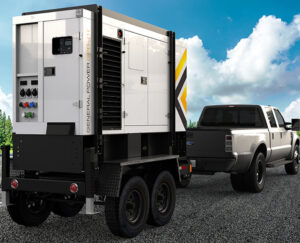
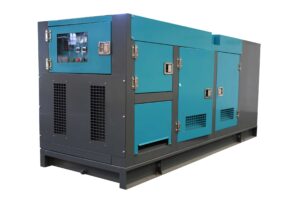
Generator sets (gensets) don’t just provide power during outages — they also protect against unstable grid voltage.
Here’s how gensets help:
✅ Provide Stable Voltage
A properly configured generator supplies consistent voltage and frequency, protecting equipment from harmful dips.
✅ Protect Sensitive Equipment
Industrial controls, servers, medical devices, and automated systems need stable power. Gensets prevent voltage fluctuations that damage electronics.
✅ Maintain Operations
Instead of risking equipment during low-voltage conditions, facilities can switch to generator power and keep operations safe.
✅ Reduce Equipment Wear
Motors and compressors last longer when they receive correct voltage. Generators prevent overheating caused by brownouts.
✅ Improve Energy Security
Businesses that rely solely on grid power face unpredictable risks. A genset gives you control over your power quality and continuity.
Who Needs Protection from Brownouts?
Organizations that depend heavily on electrical systems should not ignore brownout risks:
-
Hospitals and healthcare facilities
-
Manufacturing plants
-
Data centers
-
Commercial buildings
-
Hotels and resorts
-
Construction projects
-
Cold storage and food processing
Even short voltage drops can cause major financial losses in these sectors.
Final Thoughts
A brownout doesn’t turn the lights off — but it quietly stresses your entire electrical system. High demand, weak infrastructure, and supply shortages often trigger these voltage drops.
You can’t control the grid, but you can control your power reliability.
A generator set gives you stable, dependable electricity when the grid can’t. It protects your equipment, reduces downtime, and keeps operations running safely — even when voltage from the utility falls below safe levels.
In today’s power environment, a genset doesn’t just serve as backup.
It acts as a shield against poor power quality.