
Introduction
The Philippine energy crisis in 2026 has emerged as one of the most pressing economic and policy challenges facing the country today. Triggered by global geopolitical instability and exacerbated by structural vulnerabilities in the domestic energy sector, the crisis has exposed the fragility of the Philippines’ energy security. As a net importer of fuel with heavy reliance on external supply chains, the country faces rising electricity costs, supply uncertainties, and significant socio-economic risks. This article provides a comprehensive, research-based overview of the Philippine energy crisis in 2026, synthesizing credible news reports and policy developments to inform public understanding and decision-making.
Understanding the Roots of the Crisis
The current energy crisis is primarily driven by external shocks, particularly the ongoing conflict in the Middle East. This geopolitical tension has disrupted global oil supply chains, especially through critical routes such as the Strait of Hormuz, which handles a substantial portion of the world’s oil trade. The Philippines, which imports approximately 98 percent of its oil, is highly vulnerable to such disruptions.
In March 2026, the Philippine government officially declared a state of national energy emergency, citing an “imminent danger of a critically low energy supply.” This declaration underscores the severity of the situation and enables the government to implement emergency procurement measures, regulate supply distribution, and stabilize the domestic market.
Supply Constraints and Price Volatility
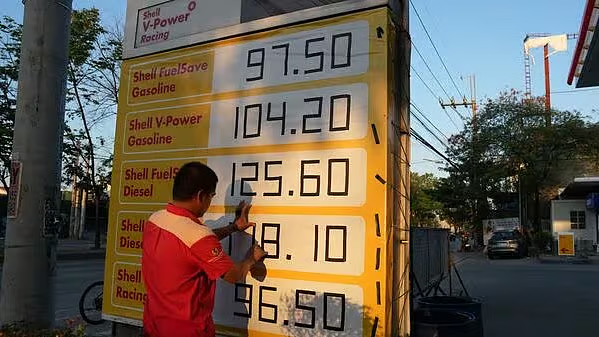
One of the most immediate consequences of the crisis has been the rapid increase in fuel and electricity prices. Reports indicate that electricity prices in the Wholesale Electricity Spot Market surged by as much as 58 percent in March 2026 alone. This sharp increase prompted regulators to suspend spot market trading temporarily in order to protect consumers and prevent further price escalation.
Fuel reserves have also become a critical concern. Government estimates suggest that the country had only around 40 to 45 days of fuel supply at certain points during the crisis. Such limited reserves heighten the risk of supply shortages, particularly if global disruptions persist.
Compounding the issue is inflationary pressure. Rising fuel costs have cascading effects on transportation, food prices, and overall cost of living. Transport groups have staged strikes in response to fuel price hikes, reflecting the broader social impact of the crisis.
Structural Weaknesses in the Energy Sector
While external factors triggered the crisis, underlying structural issues have intensified its impact. The Philippine energy sector has long been characterized by:
- Heavy dependence on imported fossil fuels
- Limited energy diversification
- High electricity costs compared to regional peers
- Fragile grid infrastructure with thin reserve margins
Even prior to the crisis, experts warned that while power supply for 2026 may be “sufficient,” it remains fragile due to thin reserves and vulnerability to plant outages and demand surges.
These systemic weaknesses mean that external shocks quickly translate into domestic instability, highlighting the need for long-term energy reforms.
Government Response and Policy Measures
In response to the crisis, the Philippine government has implemented a range of emergency and policy interventions:
- Declaration of a National Energy Emergency
This allows for faster procurement of fuel and stricter monitoring of supply chains. - Suspension of the Electricity Spot Market
Regulators intervened to control price volatility and shift toward more stable pricing mechanisms. - Activation of a ₱20 Billion Energy Security Fund
The government allocated significant financial resources to secure fuel supply and cushion the impact of global price fluctuations. - Energy Conservation Measures
Policies such as reduced government workweeks and limitations on non-essential activities aim to lower energy consumption. - Subsidies and Social Support Programs
Financial aid has been extended to transport workers and vulnerable sectors affected by rising fuel costs.
These measures reflect a combination of short-term crisis management and attempts to stabilize the broader economy.
Economic and Social Implications
The energy crisis has far-reaching consequences beyond the power sector. Businesses face increased operating costs, which may lead to reduced production, layoffs, or higher prices for goods and services. Airlines have already reduced flights, while some establishments have shortened operating hours to conserve energy.
At the household level, rising electricity and fuel costs strain disposable income, disproportionately affecting low- and middle-income families. The crisis also raises concerns about long-term economic growth, as energy reliability is a key driver of industrial productivity and investor confidence.
The Role of Renewable Energy and Long-Term Solutions
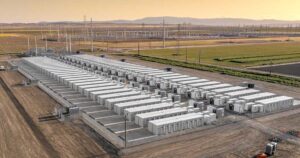
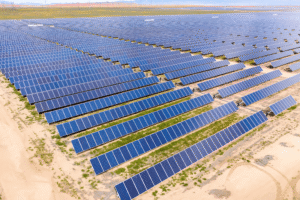
The crisis has renewed calls for accelerating the transition to renewable energy sources such as solar, wind, and geothermal power. Diversification of energy sources is widely viewed as a critical strategy to reduce dependence on imported fossil fuels and enhance energy resilience.
Policy experts emphasize the importance of:
- Expanding renewable energy capacity
- Strengthening grid infrastructure
- Encouraging private sector investment
- Enhancing regional energy cooperation
The current crisis may serve as a catalyst for structural reforms that have long been delayed.
Conclusion
The Philippine energy crisis of 2026 is both a warning and an opportunity. While it reveals the country’s vulnerability to global energy shocks, it also highlights the urgent need for systemic transformation. Addressing the crisis requires not only immediate government intervention but also long-term strategic planning to build a more resilient, sustainable, and secure energy future.
What You Should Do Now
Reduce energy consumption in practical, everyday ways
Start by identifying where most of your electricity is going. Air conditioning, refrigeration, and lighting typically account for the largest share of household consumption in the Philippines. Consider setting your air conditioner to a slightly higher temperature, using electric fans when possible, and unplugging appliances that are not in use. Even small adjustments, when practiced consistently, can lower your monthly bill and reduce strain on the national grid during peak demand periods.
Stay informed and follow reliable updates on the energy situation
The situation remains fluid due to its dependence on global oil markets and geopolitical developments. Make it a habit to monitor updates from credible sources such as major news outlets and official government announcements. Understanding when price hikes are likely or when supply constraints are expected can help you plan your expenses, adjust travel schedules, or make informed business decisions.
Support and explore renewable energy options where feasible
If you have the financial capacity, you might consider investing in small-scale renewable solutions such as rooftop solar panels. While the upfront cost can be significant, the long-term savings and reduced dependence on grid الكهرباء can be beneficial, especially during periods of price volatility. For those who cannot invest directly, supporting businesses and policies that prioritize renewable energy contributes to broader systemic change.
Advocate for stronger energy policies and accountability
Citizens play an important role in shaping long-term solutions. Engaging in informed discussions, supporting policy reforms, and holding leaders accountable can push for improvements in energy infrastructure and diversification. This can be as simple as participating in community forums, staying engaged in public discourse, or supporting initiatives that promote transparency and sustainability in the energy sector.
Prepare financially for continued volatility in energy prices
Given the uncertainty of global oil supply and the Philippines’ reliance on imports, price fluctuations may persist in the coming months. It is prudent to revisit your budget and allocate a buffer for higher electricity and transportation costs. Businesses, in particular, may need to reassess pricing strategies or operational expenses to remain sustainable under rising energy costs.
Ensure business continuity by investing in backup power solutions
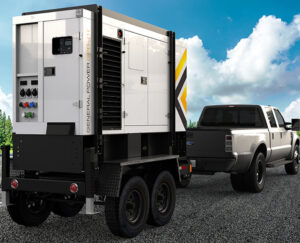
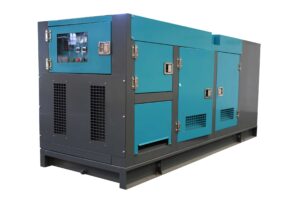
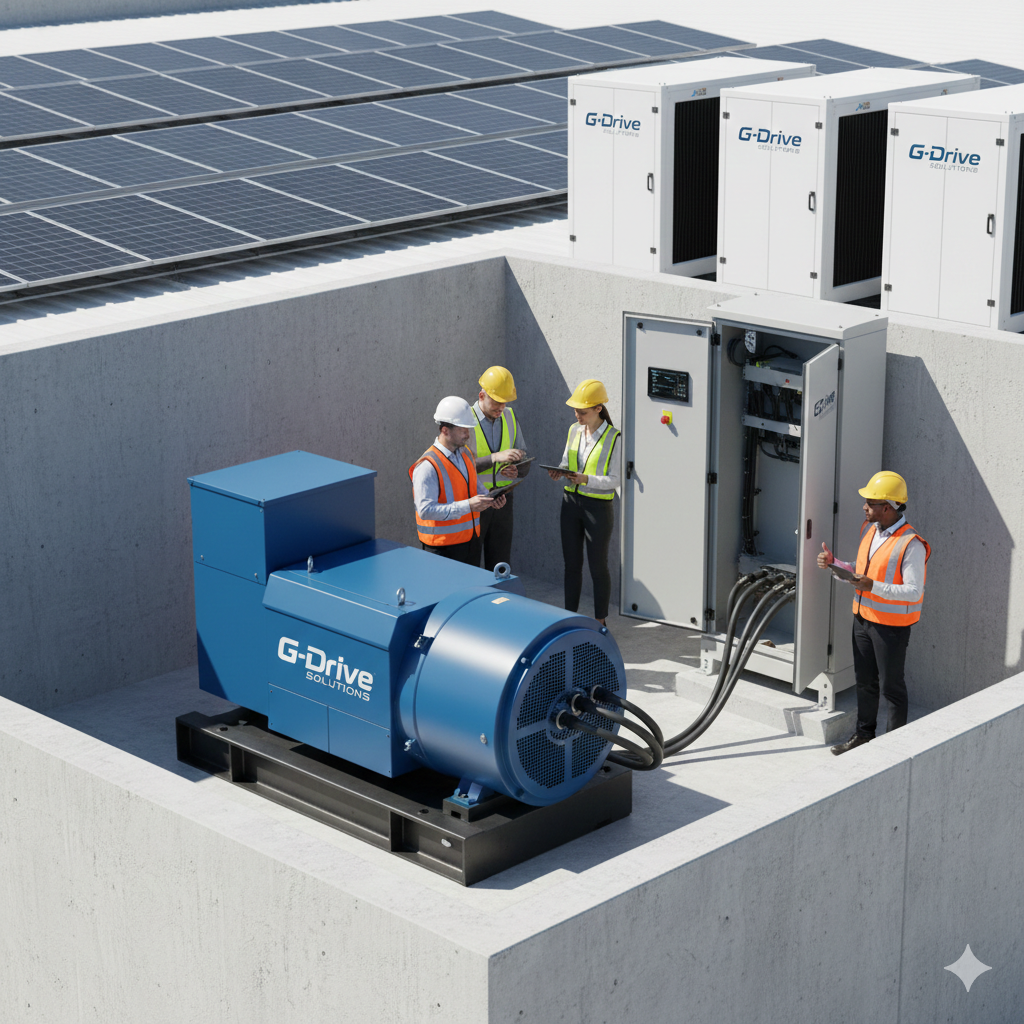
For business owners, uninterrupted operations are critical, especially during periods of unstable electricity supply. Investing in a generator set can provide a reliable backup source of power during outages or rotational brownouts, allowing essential functions such as point-of-sale systems, refrigeration, and communications to continue operating. While there is an upfront cost, a generator can prevent larger financial losses caused by downtime, spoiled inventory, or halted production. In the context of the 2026 energy crisis, having a contingency plan like this is not just a precaution but a strategic necessity for resilience.
These steps may seem modest on an individual level, but when adopted collectively, they can help cushion the immediate impact of the crisis while contributing to a more resilient energy future.