
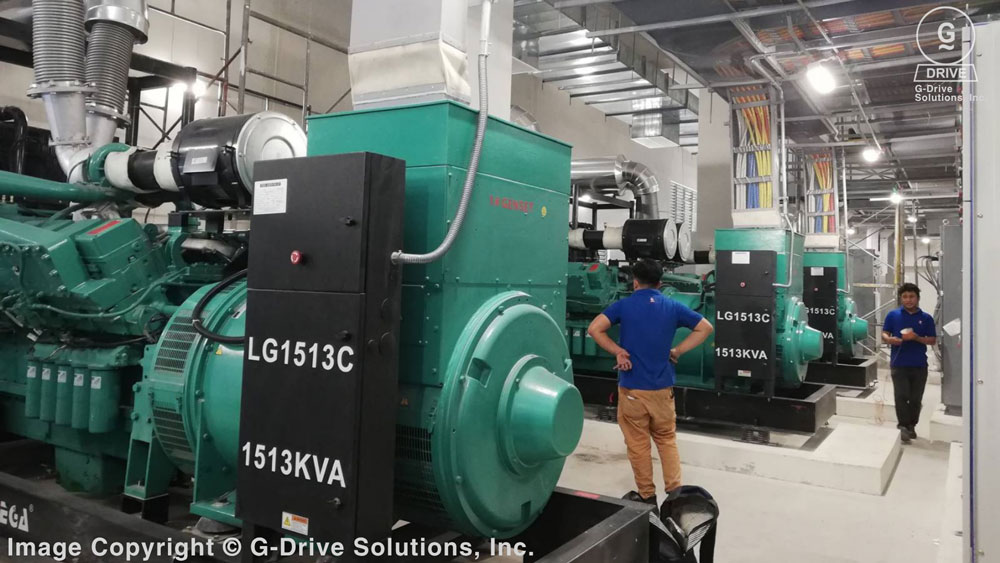
A power outage can disrupt operations, damage equipment, and put safety at risk. In the Philippines, where typhoons, grid instability, and maintenance shutdowns are common, the importance of a power generator cannot be overstated. A reliable generator keeps your home comfortable and your business running, even when the main grid fails. Investing in a power generator is not just about convenience—it is about protection, continuity, and peace of mind.
This article explains why a power generator is essential, how it supports business continuity, and why every property owner should consider having one.
What Is a Power Generator?
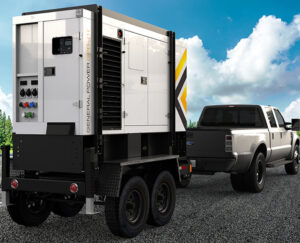
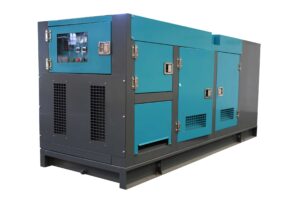
A power generator is a machine that converts mechanical energy into electrical energy. It supplies electricity during brownouts, blackouts, or off-grid operations. Most generators run on diesel, gasoline, or natural gas and can power anything from essential appliances to full industrial facilities.
Whether you operate a manufacturing plant, a commercial building, or a residential property, a power generator ensures you stay productive and secure during power interruptions.
Why the Importance of a Power Generator Continues to Grow
1. Business Continuity and Revenue Protection
For businesses, downtime means lost revenue. Manufacturing lines stop. Offices lose productivity. Retail stores miss sales. Data centers risk system failure.
A power generator protects your operations by supplying immediate backup power. Companies in sectors such as construction, manufacturing, and energy cannot afford unexpected shutdowns. Even a short outage can cause equipment damage and costly delays.
With a properly sized generator, your operations continue without disruption.
2. Protection of Critical Equipment
Sensitive machinery and IT infrastructure require stable power. Voltage fluctuations and sudden outages can damage computers, servers, medical devices, and industrial systems.
A power generator, especially when integrated with an automatic transfer switch, ensures seamless power transition. This setup protects expensive equipment and reduces maintenance costs over time.
3. Safety and Security
Power outages affect more than productivity. They compromise safety systems such as:
-
Emergency lighting
-
Fire alarms
-
CCTV systems
-
Access control systems
Hospitals, warehouses, and commercial buildings rely on uninterrupted electricity to protect people and assets. A power generator ensures these systems remain operational when they are needed most.
4. Disaster Preparedness
The Philippines regularly experiences typhoons and extreme weather events. These disasters often lead to prolonged power interruptions.
According to the National Grid Corporation of the Philippines, grid disturbances frequently occur during severe weather conditions. Having a power generator in place strengthens your disaster resilience strategy and allows faster recovery after emergencies.
Prepared businesses recover quicker and maintain customer trust.
5. Operational Flexibility in Remote Locations
Construction sites, mining areas, and rural developments often operate far from established grid connections. In these cases, a power generator is not just backup—it is the primary power source.
Generators provide the flexibility to operate anywhere, anytime. This mobility supports infrastructure development and project execution in remote areas.
Residential Benefits of a Power Generator
The importance of a power generator also applies to homes. A residential generator can:
-
Keep refrigerators running to prevent food spoilage
-
Maintain air conditioning during extreme heat
-
Power medical equipment
-
Charge communication devices
For families with elderly members or individuals dependent on medical devices, backup power becomes a necessity rather than a luxury.
Long-Term Cost Efficiency
Some property owners hesitate due to upfront costs. However, when you calculate potential losses from downtime, spoiled inventory, equipment damage, and business interruption, a power generator often pays for itself.
Regular maintenance ensures optimal performance and extends equipment lifespan. Like any major mechanical investment, proactive servicing maximizes returns.
Choosing the Right Power Generator
Selecting the right generator depends on:
-
Load requirements
-
Type of application (home, commercial, industrial)
-
Fuel availability
-
Runtime expectations
-
Noise considerations
Working with a trusted supplier ensures proper load analysis and system integration. An undersized generator may overload, while an oversized unit wastes fuel and increases operational costs.
Final Thoughts: Why Every Property Needs a Power Generator
The importance of a power generator lies in reliability, protection, and preparedness. In today’s fast-paced environment, electricity powers nearly every aspect of daily life and business operations. When the grid fails, a generator keeps you in control.
Instead of reacting to outages, proactive organizations invest in dependable backup power solutions. Whether for residential comfort or industrial continuity, a power generator is a strategic asset that safeguards productivity and peace of mind.
If you want to future-proof your operations and strengthen your disaster readiness, investing in a reliable power generator is a smart and practical decision.