
Introduction
Power outages happen without warning. When the lights go out, generator sets keep homes, hospitals, data centers, and job sites running. But what exactly is a generator set, and what does it do?
In this guide, you will learn everything you need to know about generator sets — from their core components and how they work, to the different types available and where people use them most.
What Is a Generator Set?
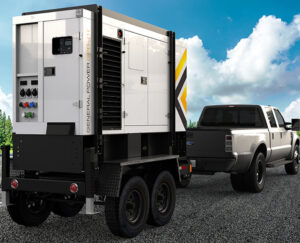
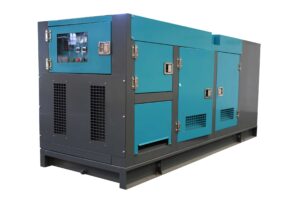
A generator set — commonly called a genset — is a self-contained unit that produces electrical power by converting mechanical energy into electricity. It combines two primary components: a combustion engine (the prime mover) and an electric generator (the alternator). Together, these two parts form a complete, portable or stationary power generation system.
Generator sets serve as a primary or backup power source in locations where grid electricity is unavailable, unreliable, or insufficient. You will find them on construction sites, in hospitals, aboard ships, on remote farms, and inside data centers — anywhere that consistent electrical power is non-negotiable.
How Does a Generator Set Work?
A generator set works by following a straightforward energy conversion process:
- The engine burns fuel — typically diesel, natural gas, petrol, or propane — to generate mechanical energy in the form of a rotating shaft.
- The alternator converts rotation into electricity — as the shaft spins, it drives the rotor inside the alternator, which creates a changing magnetic field and produces alternating current (AC) electricity.
- The control system regulates output — onboard electronics monitor voltage, frequency, and load, adjusting the engine speed and output to maintain stable, usable power.
This process mirrors how a utility power plant generates electricity — the key difference is that a generator set does it at a smaller, self-contained scale.
Key Components of a Generator Set
Understanding what a generator set contains helps you choose the right unit and maintain it properly. Every genset includes these essential parts:
1. Engine (Prime Mover)
The engine is the heart of the generator set. It burns fuel to produce the rotational force (torque) that drives the alternator. Engine size directly determines how much power the genset can produce.
2. Alternator (Generator End)
The alternator transforms mechanical rotation into electrical energy. It contains a rotor (spinning part) and a stator (stationary part). As the rotor spins inside the stator’s magnetic field, it induces an electric current.
3. Fuel System
The fuel system stores and delivers fuel to the engine. It includes a fuel tank, fuel pump, fuel filter, and injectors or carburetors, depending on the engine type.
4. Voltage Regulator (AVR)
The Automatic Voltage Regulator (AVR) maintains consistent output voltage regardless of load fluctuations. It ensures that sensitive equipment receives stable, clean power.
5. Cooling and Exhaust System
Engines generate significant heat. The cooling system — either air-cooled or liquid-cooled — prevents overheating. The exhaust system safely routes combustion gases away from the unit and surrounding area.
6. Lubrication System
Moving engine parts require constant lubrication to reduce friction and wear. The lubrication system circulates engine oil to all critical components.
7. Battery and Electric Starter
Most modern generator sets use an electric starter motor, powered by a 12V or 24V battery, to crank the engine at startup. Some units also include battery chargers to keep the battery topped up during standby periods.
8. Control Panel
The control panel gives operators real-time data on voltage, current, frequency, oil pressure, coolant temperature, and runtime hours. Advanced panels include automatic mains failure (AMF) capabilities, which detect grid outages and start the genset automatically.
9. Main Frame (Skid or Chassis)
The main frame holds all components in a single, structurally rigid unit. Manufacturers design the frame to absorb vibration and allow easy transport or permanent installation.
Types of Generator Sets
Generator sets come in several configurations. The right type depends on your power needs, fuel availability, and intended application.
By Fuel Type
- Diesel generator sets — The most common type worldwide. Diesel engines are durable, fuel-efficient, and well-suited for heavy-duty, continuous use. They power hospitals, construction sites, and industrial facilities.
- Natural gas generator sets — These units connect directly to a gas line, eliminating the need for on-site fuel storage. They suit commercial buildings and facilities with existing gas infrastructure.
- Petrol (gasoline) generator sets — Smaller and more affordable, petrol gensets are popular for residential backup and light commercial use. They are less fuel-efficient than diesel units for extended operation.
- Bi-fuel and dual-fuel generator sets — These units run on a combination of fuels — often diesel and natural gas — offering flexibility and extended runtime.
- Propane (LPG) generator sets — Propane units store fuel in pressurized tanks and work well in areas without natural gas lines. They produce lower emissions than diesel.
By Application Type
- Standby generator sets — These units remain on standby and activate automatically when the main power supply fails. They are not rated for continuous use and are ideal for emergency backup power in homes, hospitals, and data centers.
- Prime power generator sets — These units serve as the primary power source in locations without access to grid electricity. They are built for continuous operation and rated for high-hour use.
- Continuous power generator sets — Designed to run at a constant load for unlimited hours, these units power remote industrial operations such as mining sites and offshore platforms.
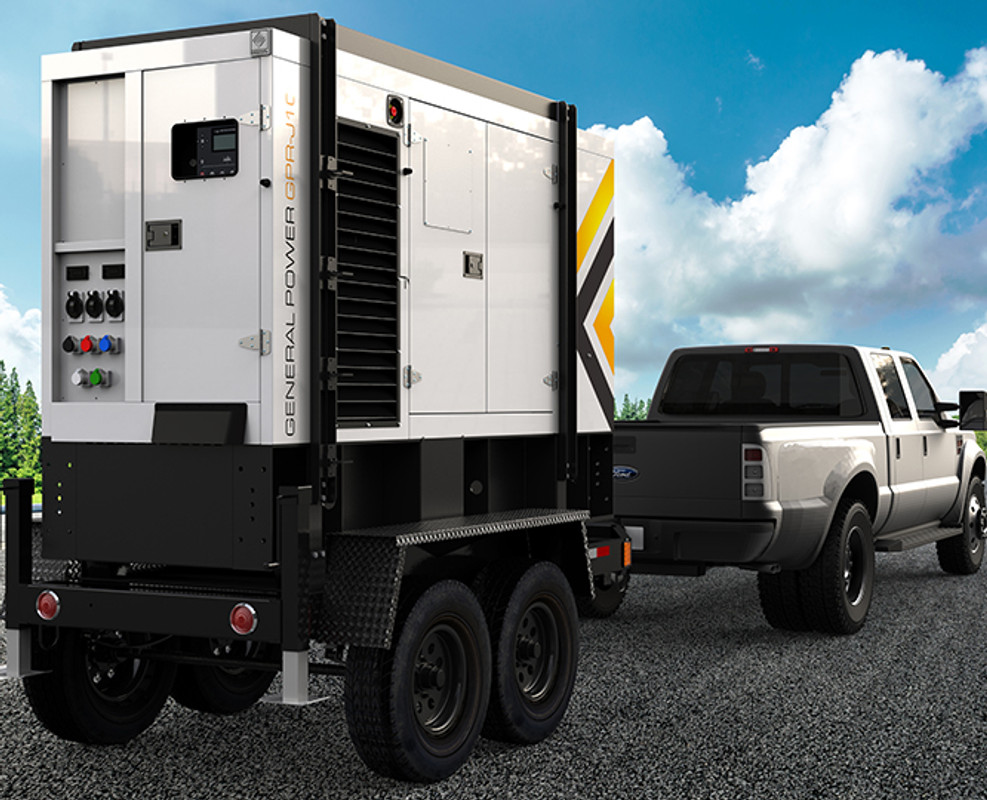
- Portable generator sets — Compact and wheeled or hand-carried, portable units deliver temporary power for outdoor events, small job sites, and emergency home use.
What Do Generator Sets Do? Key Applications
Generator sets perform critical roles across nearly every industry. Here are the most important applications:
Emergency and Standby Power
Generator sets protect against the consequences of power outages. Hospitals rely on them to keep life-support equipment running. Data centers use them to prevent data loss and system downtime. Office buildings activate them to maintain lighting, security systems, and HVAC during grid failures.
Prime Power in Remote Locations
Many locations around the world lack access to a reliable electrical grid. Generator sets provide prime power to remote mining operations, oil and gas drilling sites, rural communities, and island resorts where running utility lines is impractical or impossible.
Construction and Temporary Power
Construction sites require power tools, lighting, cranes, and compressors long before the building connects to the grid. Generator sets deliver the temporary power that construction crews need to stay productive throughout a project.
Events and Entertainment
Outdoor concerts, festivals, film productions, and sporting events all depend on generator sets. Event organizers use trailer-mounted gensets to power stages, lighting rigs, food vendors, and broadcast equipment.
Industrial and Manufacturing Operations
Factories, processing plants, and warehouses use generator sets to support processes that cannot tolerate power interruptions. They also serve as peak shaving tools — running during periods of high grid demand to reduce energy costs.
Marine and Offshore
Ships, oil rigs, and offshore platforms use marine-grade generator sets to power navigation systems, onboard equipment, crew accommodations, and safety systems at sea.
Telecommunications
Cell towers, repeater stations, and remote communication infrastructure depend on generator sets to maintain signal coverage when grid power is unavailable, particularly in developing regions or disaster-affected areas.
How to Choose the Right Generator Set
Selecting the right generator set requires evaluating several key factors:
- Power output (kVA or kW): Calculate the total load you need to power, including starting loads for motors and compressors, which can be 3–6 times their running load.
- Fuel type: Choose based on fuel availability, storage space, runtime requirements, and local emissions regulations.
- Application type: Determine whether you need standby, prime, or continuous power — this affects the unit’s duty rating and longevity.
- Enclosure and environment: Open-frame units suit indoor or sheltered use. Canopied (soundproofed) units work better in noise-sensitive environments or outdoor locations.
- Automatic transfer switch (ATS): If you need seamless switchover from grid to generator power, pair your genset with an ATS.
- Maintenance and service: Choose a manufacturer or supplier with local service support and a reliable spare parts supply chain.
Generator Set Maintenance: Keeping Your Genset Running
Regular maintenance extends the life of a generator set and ensures it starts reliably when you need it most. A standard maintenance schedule includes:
- Weekly: Run the genset under load for 20–30 minutes (if in standby mode) to circulate fluids and prevent stale fuel issues.
- Monthly: Check oil and coolant levels, inspect belts and hoses, test the battery, and clean the air filter.
- Every 250–500 hours: Change the engine oil and oil filter, replace the fuel filter, and inspect the alternator.
- Annually: Conduct a full load bank test to verify the genset performs at its rated output. Replace the coolant and inspect the exhaust system.
Always follow the manufacturer’s service intervals and use the specified grades of oil, coolant, and fuel.
Frequently Asked Questions About Generator Sets
How long can a generator set run continuously? It depends on the duty rating. Standby gensets typically run for 200–500 hours per year. Prime and continuous-rated units run for thousands of hours annually when properly maintained and regularly serviced.
What size generator set do I need for my home? A typical home requires between 5 kW and 20 kW, depending on whether you power the entire home or only essential circuits. A qualified electrician or generator supplier can conduct a load assessment to recommend the right size.
Is a generator set the same as a generator? Not exactly. A generator, strictly speaking, refers to the alternator (the component that produces electricity). A generator set is the complete unit — engine plus alternator — packaged together as a single system.
Can a generator set power sensitive electronic equipment? Yes — modern generator sets with AVR and Total Harmonic Distortion (THD) below 5% safely power sensitive electronics, including computers, medical devices, and telecommunications equipment. Always confirm the THD specification before connecting sensitive loads.
Conclusion
Generator sets are indispensable machines that convert fuel into reliable electrical power. Whether they serve as an emergency backup for a family home, the sole power source for a remote mine, or the backbone of a large industrial facility, generator sets deliver electricity wherever and whenever it is needed.
Understanding what a generator set is, how its components work together, and what it does in practice allows you to make smarter decisions — whether you are purchasing, operating, or maintaining one.
If you need help selecting the right generator set for your application, speak with a qualified power systems specialist who can match the correct unit to your specific load requirements and operational environment.