
Solar energy is transforming how homes and businesses power their daily operations around the world, including in Philippines. As electricity prices continue to rise and environmental concerns grow, more Filipinos are switching to solar power for a cleaner and more cost-effective energy solution.
But how does solar energy actually work? If you are considering a solar installation or simply want to understand the basics, this guide explains everything in a clear and practical way.
What Is Solar Energy?
Solar energy comes directly from the sun. Every day, sunlight reaches the Earth and provides a renewable source of power that solar panels convert into electricity.
Unlike fossil fuels, solar energy offers a clean, sustainable, and renewable energy source. Because the Philippines receives abundant sunlight throughout the year, solar power makes an excellent long-term investment for homeowners and businesses.
How Do Solar Panels Work?
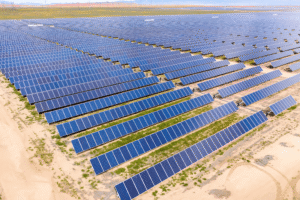
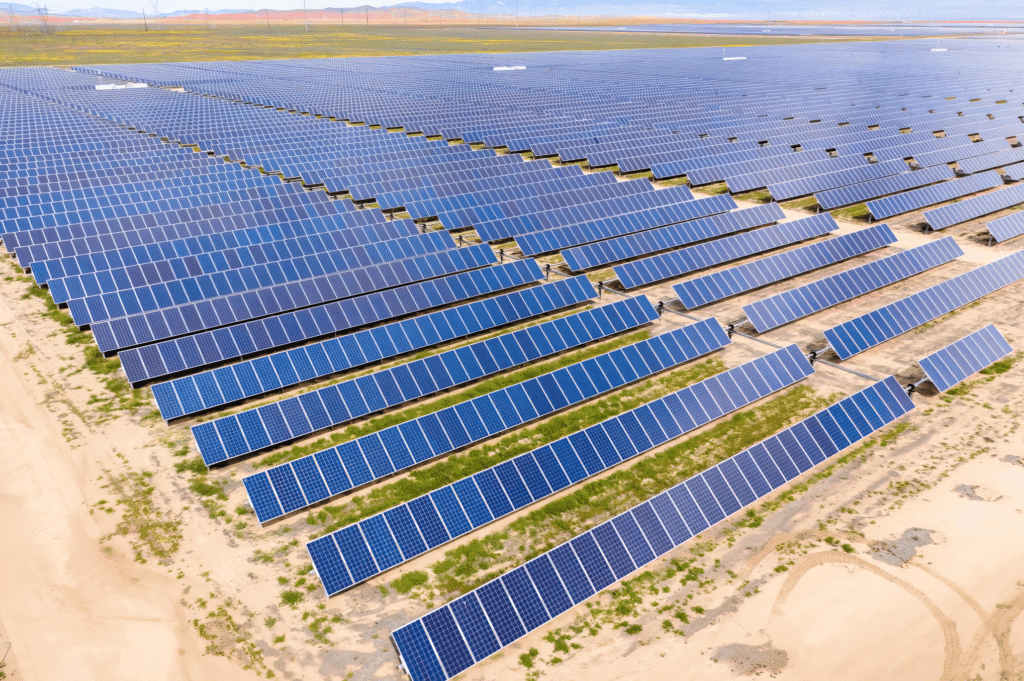
Solar panels, also known as photovoltaic (PV) panels, capture sunlight and convert it into electricity. Installers typically mount these panels on rooftops or open spaces with direct sun exposure.
Each solar panel contains multiple solar cells made from silicon, a semiconductor material. When sunlight hits these cells, it creates an electrical reaction that generates direct current (DC) electricity.
A solar inverter then converts DC electricity into alternating current (AC), which powers most household appliances and business equipment. Your electrical system distributes this energy throughout your property to run lighting, air conditioning units, appliances, and other devices.
When your system produces excess electricity, you can:
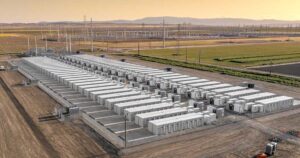
- Store it in solar batteries for later use
- Send it back to the power grid through net metering programs
- Earn energy credits that help reduce future electricity bills
What Happens During Cloudy Days or Nighttime?
Solar panels generate electricity only when exposed to sunlight. During nighttime or cloudy weather, your system relies on stored battery energy or draws power from the electrical grid.
This is why choosing the right solar system setup plays a crucial role in maintaining consistent energy supply.
Types of Solar Power Systems
You can choose from three main solar power system types depending on your location, budget, and energy needs.
1. Grid-Tied Solar System
A grid-connected system links directly to the local power grid. This setup allows you to export excess electricity and receive credits through net metering.
2. Off-Grid Solar System
An off-grid system operates independently from the utility grid. It works best for remote locations and usually includes battery storage for continuous power.
3. Hybrid Solar System
A hybrid system combines solar panels, batteries, and grid connectivity. This setup gives you flexibility, backup power, and improved energy reliability.
Why Choose G-Drive Solutions?
G-Drive Solutions has built a strong reputation in the power and generator industry within the Philippines. The company supports homeowners and businesses with dependable energy infrastructure solutions.
From customized solar panel installations to system monitoring and technical support, G-Drive delivers end-to-end solar solutions designed for long-term performance. Whether you need a grid-tied, hybrid, or off-grid solar system, G-Drive offers tailored recommendations backed by industry expertise.
The Future of Energy Is Solar
As the world moves toward sustainability, solar energy continues to become the preferred power solution for homes and businesses. Advances in technology have made solar systems more affordable, efficient, and accessible than ever before.
Now is the perfect time to explore how solar energy can lower electricity costs, reduce environmental impact, and provide greater energy independence.