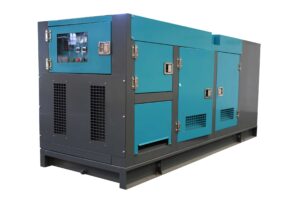

Generator sets, or gensets, have a long and fascinating history shaped by humanity’s need for reliable and portable power. The history of generator sets reflects how electrical innovation evolved from early steam-powered machines to today’s advanced, hybrid-ready standby power solutions. Understanding this evolution helps us appreciate the technology behind modern generators and the industries that rely on them.
Early Foundations: The Birth of Electrical Power
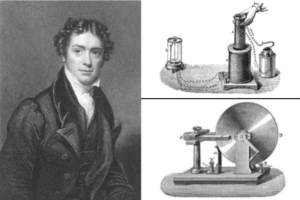
The story begins in the late 19th century, during the rapid rise of electrical engineering. Pioneers like Michael Faraday, Thomas Edison, Nikola Tesla, and George Westinghouse developed the first electric generators and power systems. Edison championed direct current (DC) in the 1870s, while Tesla and Westinghouse introduced alternating current (AC) in the 1880s.
However, these early systems were fixed installations and could not provide the portable or off-grid electricity many industries needed. Steam engines, although powerful, were massive and impractical for remote applications. This gap set the stage for the creation of the first true generator sets.
The Rise of Internal Combustion: Early 20th Century Gensets
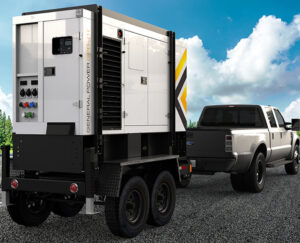
With the advancement of internal combustion engine (ICE) technology in the early 1900s, generator sets began to take their modern form. Smaller gasoline and diesel engines transformed electrical generation, making power more accessible and mobile.
Diesel engines, known for efficiency and durability, became the preferred choice. As a result, gensets started appearing in construction sites, farms, mining operations, and rural communities. By the mid-20th century, diesel-powered generators became a lifeline for remote and developing regions.
Modernization: Mid to Late 20th Century Innovations
In the second half of the 20th century, generator sets grew more sophisticated. Engineers introduced automatic voltage regulation, better cooling systems, enhanced fuel consumption, and noise-reduction technologies.
The arrival of digital controllers and monitoring systems in the 1960s–1970s significantly improved efficiency and operational safety. These advancements positioned gensets as essential backup power systems for hospitals, telecommunications hubs, manufacturing plants, and later, data centers.
Generator Sets Today: Toward a Cleaner Future
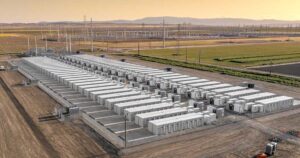
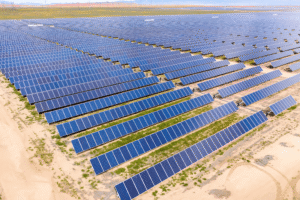
Modern gensets continue to evolve alongside global energy demands. Hybrid systems that combine diesel generators with solar or wind energy are becoming more common. Improvements in battery storage, emissions control, and fuel efficiency are shaping the next era of standby and off-grid power.
As sustainability becomes a priority, the future of generator sets will likely include alternative fuels, tighter integration with renewable systems, and smarter, more adaptive controls.
GDSI and the Mission of Reliable Standby Power
The history of generator sets reflects a long-standing mission: to deliver dependable electricity whenever and wherever it is needed. G-Drive Solutions, Inc. (GDSI), established in 2014, exists to carry this mission forward in the Philippines. The company provides world-class standby power solutions designed to support businesses, communities, and critical facilities across the nation.
To learn more about our generators and services, visit our Products & Solutions page or check our Company History for insights into GDSI’s growth and milestones.